
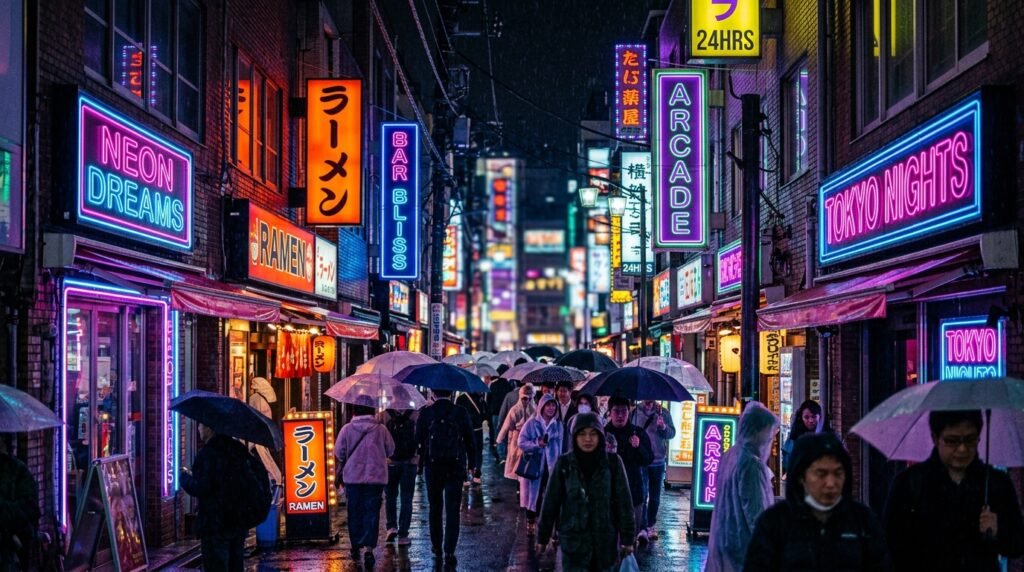
Neon Colors Bright, Bold Shades That Stand Out Everywhere
From electric blues to vivid yellows, each shade has its unique personality. Certain tones evoke feelings of happiness or excitement while others can bring about nostalgia for simpler times when neon ruled pop culture.
The versatility of neon colors means they fit seamlessly into diverse aesthetics—from retro vibes to modern minimalism—allowing everyone to find their perfect burst of brightness.
What Are Neon Colors?
Neon colors are vibrant, eye-catching hues that seem to glow. They often resemble the bright lights of a bustling city at night. Think electric pinks, fluorescent greens, and blazing yellows. These shades grab attention wherever they appear.
What sets neon colors apart is their high visibility. They tend to be more intense than standard colors due to their unique blend of pigments. This makes them popular in fashion, art, and design. People use them when they want to make a bold statement.
Originating from neon gas used in signs, these colors have evolved over time into synthetic versions found in various materials like paint and fabric. The striking quality of neon comes from how light interacts with its composition.
Neon has a way of evoking feelings—often associated with fun and excitement or even nostalgia for certain eras like the 1980s rave culture. Whether it’s through clothing or decor, people embrace these shades for their ability to stand out.
In essence, neon colors energize spaces and infuse personality into any setting where they are applied.
Origins Of Neon
Neon colors have a fascinating origin story that dates back to the late 19th century. The element neon was discovered in 1898 by British chemists William Ramsay and Morris Travers. They were experimenting with liquefied air when they stumbled upon this rare gas, which emitted an eye-catching orange-red glow when electrified.
Initially, neon wasn’t used for art or aesthetics but rather studied for its properties. It wasn’t until the early 20th century that artists began to tap into its vibrant potential. In 1910, French inventor Georges Claude showcased the first neon sign at a Paris auto show. This marked the beginning of neon’s journey into popular culture.
As technology improved, so did the versatility of neon lights. By the mid-1920s, these luminous signs became wildly popular across cities worldwide. Businesses recognized their effectiveness in attracting attention and started using them extensively.
In addition to commercial use, neon hues made their way into fashion and design trends during various cultural movements throughout history. Artists found creative ways to incorporate these bold shades into their work.
The rich history behind neon colors continues to influence our aesthetic preferences today, making them enduring symbols of vibrancy and excitement.
Types of Neon Colors
Neon colors come in a dazzling array of shades, each with its own vibrant personality. One of the most popular types is neon pink. This eye-catching hue radiates energy and passion, often used to evoke excitement or femininity.
Next up is neon green. It’s fresh and invigorating, reminiscent of springtime leaves or glowing electronic devices. This color can bring a lively touch to any space or design, making it perfect for those seeking something youthful and dynamic.
Then there’s neon blue, a striking shade that combines calmness with intensity. It offers an electric vibe while also embodying depth and tranquility—a favorite choice for modern aesthetics and tech-inspired designs.
Neon yellow shines brightly like sunshine on a summer day. It’s cheerful and optimistic, often associated with happiness and creativity. Using this color can instantly lift moods and energize environments.
We have neon orange—bold yet warm! It exudes enthusiasm while adding warmth to spaces or graphics. Ideal for grabbing attention without being too overwhelming, it strikes the perfect balance between fun and function in stylish applications.
History of Neon Colors
Neon colors have a rich history that dates back to the early 20th century. The term “neon” comes from the Greek word for “new.” This vibrant color spectrum emerged with the invention of neon gas, discovered in 1898 by British chemists William Ramsay and Morris Travers.
The first commercial use of neon lights occurred in 1910 when French engineer Georges Claude showcased his illuminated tubes at a Paris exhibition. These glowing signs quickly gained popularity, especially among businesses wanting to attract attention. Their eye-catching hues transformed advertising and signage forever.
As time passed, manufacturers began developing other fluorescent colors using gases like argon and krypton, broadening the range of vivid shades available. By mid-century, neon colors became synonymous with modernity and youth culture, often associated with nightlife and artistic expression.
In the late 1960s and early ’70s, artists started incorporating these bold hues into their works as part of movements such as pop art. Neon shades represented vibrancy against more subdued backgrounds while making powerful statements about consumerism.
Today, neon colors are everywhere—from fashion runways to home decor—reflecting an ongoing fascination with brightness and individuality. They continue to serve as symbols of creativity and innovation across various fields.
How to Use Neon Colors for Home Aesthetic?
Incorporating neon colors into your home aesthetic can create a vibrant and lively atmosphere. Start with bold accent pieces that pop against neutral backgrounds. Think about neon cushions, throws, or rugs to add a splash of color without overwhelming the space.
Wall art is another fantastic way to embrace neon shades. Consider framed prints or canvas artworks featuring bright hues. These can serve as focal points in living rooms or bedrooms, drawing the eye and sparking conversation.
Lighting plays a crucial role too; think neon signs or LED strip lights. They not only illuminate but also infuse energy into any room. Placing them strategically can highlight architectural features while adding warmth.
For those who prefer subtlety, choose smaller decorative items like vases or picture frames in neon colors. This approach allows you to enjoy pops of brightness without dominating your decor theme.
Combine neon shades with complementary colors for balance. Pairing these striking hues with muted tones creates harmony while still celebrating their vibrancy, making your space feel both energetic and inviting.
How to Use Neon Colors for Business?
Neon colors can be a game-changer for businesses looking to grab attention. They evoke energy and excitement, making them perfect for brands that want to stand out in crowded markets. Consider integrating neon accents into your logo or branding materials. A splash of neon can create instant recognition.
When designing promotional materials, don’t shy away from bold color choices. Neon hues can draw the eye to key messages and offers. Use them sparingly but strategically—think bright headlines or call-to-action buttons on digital platforms to encourage engagement.
In retail spaces, neon signage is particularly effective. Brightly lit signs not only attract customers but also convey a modern vibe that resonates with younger audiences. This approach enhances visibility and creates an inviting atmosphere.
Social media marketing is another area where neon colors shine brightly. Posts featuring vibrant shades are more likely to capture attention as users scroll through their feeds. Incorporate these elements into graphics or videos for added impact.
Consider using neon colors in packaging design if you sell physical products. Eye-catching packaging can make your items pop on store shelves and influence purchasing decisions significantly.
Characteristics of Neon Colors
Neon colors are renowned for their striking vibrancy. They emit an electrifying glow that instantly captures attention. This brightness is due to the high saturation of pigments used in creating these hues.
One key characteristic of neon colors is their ability to appear luminous even in low light conditions. They often seem to radiate energy, making them ideal for signage and artistic expressions where visibility is crucial.
Another trait is their playful nature. Neon shades evoke feelings of fun and excitement, which makes them popular in design trends targeting younger audiences or festive occasions. They can effortlessly transform a dull setting into something lively and engaging.
Neon colors also have a unique contrast factor. When paired with neutral tones or muted backgrounds, they stand out dramatically, drawing the eye without overwhelming it too much.
Neon shades often reflect contemporary culture’s fast-paced lifestyle. Their boldness aligns perfectly with modern aesthetics, whether in fashion or interior design, signaling a break from traditional palettes toward more adventurous choices.
Common Examples
Neon colors are vibrant shades that capture attention. Some of the most common examples include electric pink, bright green, and vivid yellow. These hues are not just visually striking; they evoke a sense of energy and excitement.
Electric blue is another popular neon shade. Its boldness makes it perfect for both fashion and design projects. The color stands out in any context, making it an ideal choice for those looking to make a statement.
Neon orange has gained popularity as well. It’s often seen in sports gear and promotional materials due to its eye-catching quality. This hue radiates warmth while demanding visibility at the same time.
Bright purple is also frequently used across various mediums. From art installations to party decorations, this color adds flair wherever it’s applied. Its unique richness allows it to blend with other neon colors beautifully.
Fluorescent red deserves mention too. Often associated with urgency or alertness, this shade can be found in signage and safety equipment worldwide. Neon colors like these create dynamic experiences that resonate strongly with audiences everywhere.
Rise of Neon Aesthetics
The rise of neon aesthetics can be traced back to the vibrant, electric energy of urban environments. In recent years, cities have embraced these bold colors in everything from street art to fashion. Neon hues evoke a sense of excitement and creativity that resonates with younger generations.
Social media platforms like Instagram and TikTok play a key role in this trend’s popularity. Influencers showcase their lives bathed in neon lights, transforming everyday moments into visually striking content. This has led to an explosion of interest in all things bright and bold.
Designers are also tapping into the allure of neon shades. From graphic tees to statement home decor pieces, brands aim for eye-catching designs that stand out against more muted palettes. The playful nature of these colors makes them perfect for self-expression.
Moreover, events such as music festivals often feature dazzling displays of neon lighting, further amplifying their appeal. Participants gravitate towards glowing outfits that pop under black lights, creating unforgettable visual experiences.
As we move forward, it’s clear that the fascination with neon aesthetics is here to stay. Its impact on various creative fields continues to evolve as artists experiment with innovative ways to incorporate these radiant shades into their work.
Neon in Pop Culture & Safety
Neon colors have made a significant impact on pop culture, often associated with vibrant youth movements and artistic expressions. The 1980s are perhaps the most iconic era for neon, where it flooded music videos, fashion runways, and even arcade games. Think of classic films like “Blade Runner,” where neon signs illuminated dystopian cityscapes, creating a lasting impression in the world of cinema.
Today, we see these bold hues in everything from graphic design to social media aesthetics. Artists embrace neon shades to evoke emotions or highlight themes. Festivals and concerts often showcase dazzling light displays that incorporate neon elements to create an electrifying atmosphere.
Beyond their aesthetic appeal, neon colors play crucial roles in safety applications as well. High-visibility vests worn by construction workers or emergency responders prominently feature bright neons that ensure they stand out against various backgrounds. This use not only enhances visibility but also promotes safety across many sectors.
As we navigate our colorful world filled with vibrant experiences and striking visuals, it’s clear that neon colors will continue to leave their mark—both as symbols of self-expression and vital tools for ensuring safety.