
Hazel Color Meaning, Shades, and Why It’s So Unique
Have you ever wondered about the captivating hue of Hazel Color? This enchanting color is often overlooked but possesses a unique charm that draws people in. With shades ranging from warm earthy tones to cooler, more vibrant mixes, hazel has an allure all its own. It’s not just a color; it’s an experience, reflecting complexity and depth in ways that many other colors cannot.
From fashion choices to home decor, understanding the meaning and significance behind hazel can elevate your aesthetic game. Whether you’re looking to incorporate this color into your wardrobe or simply curious about its different shades, you’ve come to the right place! Join us as we explore everything there is to know about this fascinating tone—its meanings, variations, and why it stands out in today’s world. Let’s dive deep into the beautiful spectrum of hazel!
What Color Is Hazel?
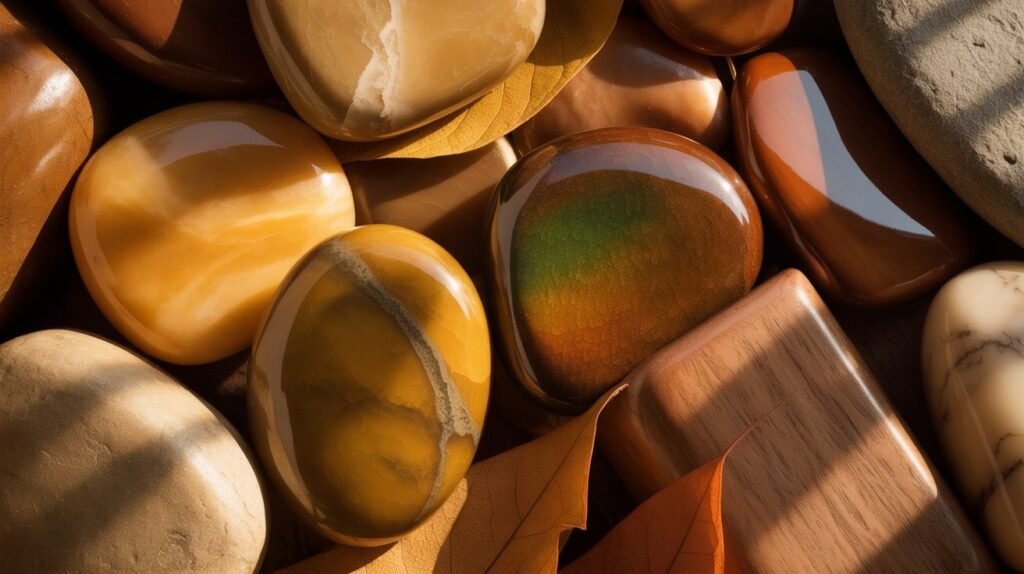
Hazel is a complex and captivating color that often leaves people intrigued. It’s characterized by its blend of warm browns, greens, and sometimes even hints of gold or amber. This rich combination creates a dynamic hue that can change depending on the light and surrounding colors.
One reason hazel stands out is its versatility. You might notice it in nature, especially with trees’ bark and leaves during autumn. The way these tones interact makes hazel feel grounded yet vibrant at the same time.
In fashion, hazel finds its place effortlessly across various styles. Whether it’s clothing, accessories, or makeup looks, this color complements many skin tones and pairs beautifully with other shades like navy blue or soft pastels.
Interestingly enough, the term “hazel” also comes from nature’s own palette—think of hazelnuts whose shells display similar earthy tones. This connection to organic elements further enhances its appeal for those who gravitate toward natural aesthetics.
Many people find themselves drawn to hazel due to its ability to evoke warmth while still being refreshing—a perfect balance of cozy and chic that’s hard to resist!
You Might ALso Like: snapratio
Different Shades of Hazel
Hazel color is a captivating blend, primarily combining rich browns with hints of green and gold. This unique mix creates an enchanting palette that varies widely across different shades.
Light hazel often boasts soft, golden tones, reminiscent of warm sunlight filtering through leaves. It feels airy and fresh, making it perfect for spring-themed decor or fashion choices. This shade can evoke feelings of tranquility and warmth.
On the darker side, deep hazel leans more toward brown while still showcasing subtle green undertones. It’s earthy and grounding—ideal for creating cozy atmospheres in your living space or adding depth to your wardrobe.
Medium hazel strikes a balance between light and dark variations. Its versatile nature allows it to work wonderfully in both casual settings and sophisticated events. This shade complements many skin tones beautifully as well.
Golden hazel adds a pop of brightness with its vibrant yellowish hues mixed into the classic base colors. It radiates energy, perfect for accessories that make a statement or accents in design projects aiming to catch attention effortlessly.
Related Interests and Boards on Hazel Color
Hazel color has captivated many with its multifaceted beauty. This unique hue often finds a home in various design and lifestyle interests. From interior decor to fashion, people are increasingly drawn to the warm, earthy tones that resemble nature’s palette.
On platforms like Pinterest, you can find boards dedicated entirely to hazel color schemes. These collections showcase stunning living spaces adorned in shades of hazel—think soft browns mixed with greens and golds. It’s a versatile choice that adds warmth and depth to any room.
Fashion enthusiasts also embrace this captivating shade. Hazel hues appear frequently in seasonal collections, where they add an element of sophistication and comfort. Pairing different shades can create eye-catching outfits that stand out without being overpowering.
In the realm of art, hazel inspires countless creators. Painters use it for landscapes or portraits, capturing emotions through its rich undertones. Photographers might highlight hazel elements in their work by focusing on natural settings during golden hour.
Even skincare brands recognize the allure of hazel color when designing packaging or product lines inspired by earthiness and purity. This connection reflects a growing trend towards sustainability and natural beauty products infused with organic ingredients.
Fun Facts About Hazel Color
Hazel color is a fascinating blend of brown and green, often with flecks of gold. This unique mix creates an eye-catching hue that can shift depending on the light. It’s not just a color; it’s a mood.
One interesting aspect of hazel is its rarity in nature. While shades like blue or green are common, true hazel shades are harder to find. This makes items featuring this rich tone particularly special.
Did you know that many people associate hazel color with qualities like warmth and comfort? It evokes feelings similar to those experienced during autumn when leaves change colors. That cozy vibe adds to its popularity in home decor and fashion.
In various cultures, hazel trees symbolize wisdom and protection, which extends the allure of the color into deeper meanings. The combination represents balance—between earthiness from brown and vibrancy from green.
Celebrities often embrace this shade for makeup trends, showcasing how versatile it can be across different skin tones. From eyeshadow palettes to lip colors, hazel’s charm has taken center stage in beauty discussions lately.
Hazel Color On Color Pallet
Hazel color is a captivating blend that can truly transform any color palette. This unique hue combines elements of brown, green, and gold. The result is a warm and earthy tone that evokes feelings of nature and serenity.
When incorporated into design schemes, hazel brings an inviting warmth to spaces. It pairs beautifully with neutral shades like taupe or beige but also dances elegantly alongside richer colors like deep greens or burnt oranges. The versatility allows it to shine in various settings, from modern minimalism to rustic charm.
In fashion, hazel adds depth to ensembles. Whether worn as a statement piece or used in accessories, it enhances both casual and formal looks effortlessly. A hazel handbag or pair of shoes can instantly elevate an outfit while maintaining an air of sophistication.
For artists and designers alike, hazel serves as a grounding force on the color wheel. Its natural quality makes it ideal for creating harmonious designs that feel balanced yet vibrant. By using hazel strategically within compositions, one can achieve eye-catching results without overwhelming other elements.
The adaptability of this color speaks volumes about its appeal across different mediums—from interior design to graphic art—making it undeniably special in the realm of aesthetics.
You Might ALso Like: snapratio
Importance of Hazel Color in Beauty Trends
The hazel color has carved out a niche in the beauty industry, becoming increasingly popular among makeup enthusiasts and professionals alike. Its warm, earthy tones blend effortlessly with various skin shades, making it a versatile choice for many. This unique hue can enhance natural features while providing depth and dimension.
In eyeshadow palettes, hazel is often featured prominently. It serves as an excellent transition shade or base color that complements bolder hues. From rich greens to vibrant golds, hazel acts as a unifying element in eye looks. It brings warmth without overwhelming other colors.
Hazel also shines in hair trends. From balayage styles to highlights, this shade adds richness to both dark and light hair types. Many find that incorporating hints of hazel elevates their overall look by providing subtle variations and reflecting different light angles beautifully.
Nail designs are not left behind either; shades of hazel offer chic options for manicures and pedicures. Whether it’s a muted taupe or a glossy caramel finish, these colors resonate well across seasons.
Fashion choices merge seamlessly with beauty trends featuring hazel tones too—clothing fabrics infused with earthiness align perfectly with makeup aesthetics centered on this captivating hue.
Common Questions
Hazel color often sparks curiosity. Many people want to learn more about its unique qualities and variations. One common question is whether hazel refers only to eye color. While it primarily describes a striking blend of green, brown, and gold in eyes, the term also applies to hair shades and even specific hues in nature.
Another frequently asked question revolves around what colors pair well with hazel. Given its versatility, earthy tones like olive green or warm browns enhance the richness of hazel beautifully. For a bolder contrast, jewel tones such as deep purple or teal can create stunning combinations.
People are also intrigued by how lighting affects hazel color perception. Depending on the light source—natural sunlight versus artificial lighting—the same shade can appear differently throughout the day.
Many wonder about the emotional associations tied to this enchanting hue. Hazel is often linked with warmth and earthiness; it’s comforting yet energizing at once. This makes it not just appealing visually but also significant emotionally for those who resonate with its rich depths.
Understanding these facets adds depth to our appreciation of this captivating color.