
Colour of apricots Meaning, Shades, and Uses
Apricots are small, sweet fruits that many people enjoy during the summer. However, they are also known for their beautiful color. The colour of apricots sits between orange and yellow, creating a warm and gentle tone that many people find pleasing. Because of this unique shade, the color has become popular in art, design, fashion, and even interior decorating.
In addition, the color reminds people of sunshine, warmth, and healthy fruit. Therefore, it often appears in designs that want to feel fresh and cheerful. While many fruits have simple colors, apricots show a range of shades that change as the fruit ripens.
This article explains the colour of apricots, how it appears in nature, and why it is so popular in different fields.
What Is the Colour of Apricots?
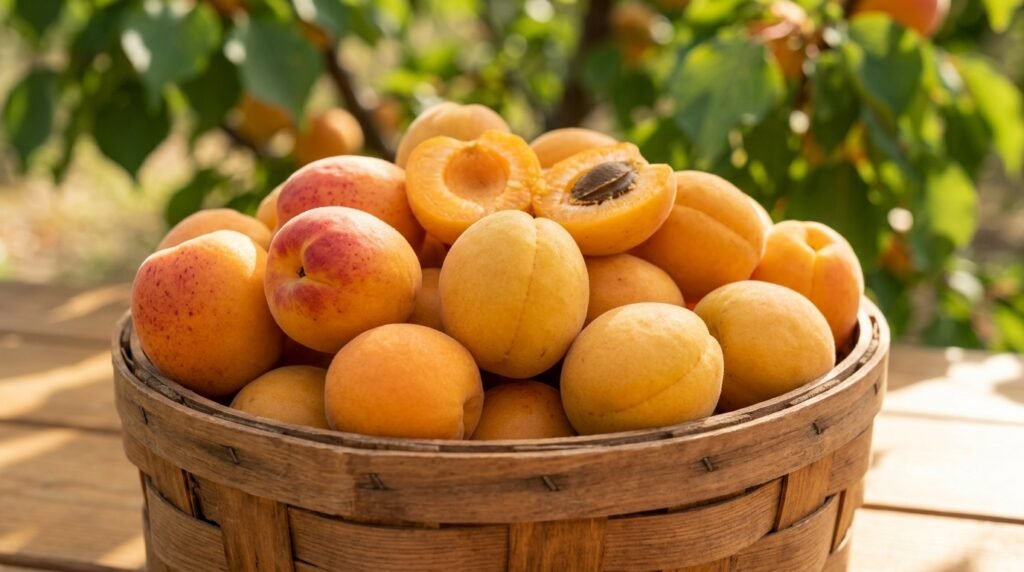
The colour of apricots usually looks like a soft blend of orange and yellow. Sometimes it also includes hints of pink or red, especially on the side of the fruit that faces the sun.
At first, apricots begin as green fruit when they grow on the tree. However, as they ripen, the color slowly changes. Eventually, they develop the warm golden-orange shade that people recognize.
In simple terms, the color of apricots can be described as:
-
Light orange
-
Peach-like orange
-
Golden yellow-orange
-
Soft sunset orange
Because the shade is gentle and warm, it often feels calming rather than bright or harsh.
Why Apricots Have This Unique Color
Apricots get their color from natural plant pigments called carotenoids. These pigments also appear in foods like carrots, pumpkins, and sweet potatoes.
Carotenoids help give apricots their golden-orange appearance. In addition, these compounds contain nutrients that are good for the body. For example, apricots contain beta-carotene, which the body converts into vitamin A.
Because of these pigments, the colour of apricots becomes brighter as the fruit ripens. Sunlight also plays a role. When apricots receive more sunlight, they often develop deeper orange or slightly red shades.
Therefore, the color of each apricot can be a little different depending on sunlight, soil, and variety.
Different Shades of Apricot Color
Although people often think of apricots as one color, the fruit actually shows several shades.
Light Apricot
Light apricot looks pale and creamy. It mixes yellow with a soft touch of orange. Designers often use this shade for walls or fabrics because it feels warm and relaxing.
Golden Apricot
Golden apricot has more yellow than orange. As a result, it looks bright and sunny. This shade often appears in ripe fruit growing on trees.
Deep Apricot
Deep apricot includes richer orange tones. Sometimes it even shows small hints of red. Usually, this color appears on apricots that received strong sunlight while growing.
Pink Apricot
Occasionally, apricots show pinkish blush marks on their skin. This happens on the side that faces the sun. As a result, the fruit can display a beautiful mix of orange, yellow, and pink.
The Colour of Apricots in Nature
Nature creates many beautiful colors, but the colour of apricots stands out because it looks warm and inviting.
Apricot trees grow in many regions around the world. The fruit grows on small trees that produce blossoms in early spring. Later, the blossoms turn into small fruits that slowly ripen in the sunlight.
When the fruits mature, the branches often fill with orange-colored apricots. These fruits hang among green leaves, which creates a striking contrast between green and orange.
Because of this natural beauty, apricot orchards can look very colorful during harvest season.
Apricot Color in Food
The colour of apricots plays an important role in food. People often associate this color with sweetness, freshness, and healthy ingredients.
For example, apricot-colored foods often include:
-
Apricot jam
-
Dried apricots
-
Fruit desserts
-
Yogurt flavors
-
Smoothies
Because the color looks bright and natural, it helps make food appear more appealing.
In addition, many chefs use apricots not only for flavor but also for color. A slice of apricot or a spoon of apricot jam can add a warm golden tone to a dish.
Apricot Color in Art and Design
Artists and designers often use the colour of apricots because it feels soft and welcoming.
Unlike strong orange, apricot shades are gentler. Therefore, they work well in many creative fields.
Painting and Illustration
Painters use apricot tones when they want to create warm sunlight effects. For instance, sunsets and glowing skies sometimes include apricot shades.
In addition, artists use this color when painting fruit bowls or summer landscapes.
Graphic Design
Graphic designers often choose apricot colors for websites, logos, and advertisements. This shade feels friendly and modern.
Moreover, it works well with many other colors such as:
-
White
-
Cream
-
Light blue
-
Sage green
Because of this flexibility, the color appears in many modern designs.
Interior Design
Interior designers also love apricot tones. These colors can make a room feel warm and comfortable.
For example, apricot walls or decorations can create a cozy environment. At the same time, the color remains soft enough to avoid overwhelming the room.
Apricot Color in Fashion
Fashion designers frequently use apricot shades in clothing collections.
The color suits many skin tones because it sits between orange and peach. As a result, it can look natural and flattering.
Common apricot fashion items include:
-
Summer dresses
-
T-shirts
-
Scarves
-
Makeup shades
-
Nail polish
In spring and summer, apricot colors often appear in clothing lines because they match the warm weather.
Additionally, apricot works well with neutral colors such as beige, white, and light brown.
Emotional Meaning of Apricot Color
Colors often create emotional responses. The colour of apricots usually brings positive feelings.
People often associate it with:
-
Warmth
-
Happiness
-
Energy
-
Creativity
-
Health
Because the color reminds people of sunlight and fresh fruit, it can create a cheerful mood.
At the same time, apricot tones feel softer than bright orange. Therefore, they can also feel calming and gentle.
This balance between energy and calmness makes apricot color very appealing.
Apricot Color in Culture and Symbolism
Different cultures sometimes connect colors with specific meanings. Although apricot color does not always have a strong symbolic meaning, it often represents warmth and abundance.
For example, in art and decoration, apricot shades can symbolize:
-
Summer harvest
-
Healthy food
-
Natural beauty
-
Fresh beginnings
In addition, some cultures associate fruit colors with prosperity and good fortune. Because apricots grow in warm climates and produce sweet fruit, they often represent richness and growth.
Apricot Varieties and Their Colors
Not all apricots look exactly the same. In fact, different varieties produce different color shades.
Some common apricot varieties include:
-
Goldcot apricots
-
Blenheim apricots
-
Riland apricots
These varieties show colors that range from bright golden orange to deeper reddish-orange.
Because of these differences, orchards can display many beautiful shades during harvest time.
How the Colour of Apricots Changes During Ripening
The colour of apricots changes slowly while the fruit matures.
First, the fruit starts green because it contains chlorophyll. Then, as the fruit grows, the green pigment begins to fade.
Next, orange and yellow pigments appear. Finally, the fruit develops its full apricot color.
The process happens in stages:
-
Green stage
-
Yellow-green stage
-
Light orange stage
-
Deep apricot stage
When the fruit reaches the final stage, it becomes sweeter and softer.
Therefore, farmers often watch the color carefully to decide when to harvest.
Why the Colour of Apricots Is Popular in Branding
Many companies use apricot colors in branding and marketing.
This happens because the color suggests freshness and natural ingredients. For example, brands that sell juice, snacks, or skincare products sometimes use apricot shades in their logos.
Additionally, the color stands out while still feeling soft and friendly.
Brands often choose apricot tones because they communicate:
-
Natural ingredients
-
Healthy lifestyle
-
Warm energy
-
Friendly personality
As a result, the color appears in packaging for many fruit-based products.
Comparing Colour of apricots to Similar Colors
Several colors look similar to the colour of apricots. However, each one has small differences.
Here are some common comparisons:
Peach: Peach colors are lighter and slightly pinker than apricot.
Orange: Orange is brighter and stronger than apricot.
Coral: Coral contains more pink tones than apricot.
Salmon: Salmon shades appear softer and more pinkish.
Because apricot sits between yellow, orange, and peach, it creates a unique color that feels balanced.
Colour of apricots in Digital Design
Digital designers often use apricot colors for websites and apps.
The color works well on screens because it feels warm without being too bright. In addition, it pairs nicely with neutral backgrounds.
For example, apricot colors often appear in:
-
Website buttons
-
App icons
-
Background gradients
-
Illustrations
Designers also use apricot shades to guide attention without overwhelming the viewer.
Therefore, it remains a popular color choice in modern digital design.
Conclusion On Colour of apricots
The colour of apricots is more than just the shade of a fruit. It represents warmth, nature, and gentle beauty. Because the color blends orange and yellow tones, it creates a soft and welcoming appearance.
Throughout nature, food, design, and fashion, this color continues to inspire creativity. Artists use it in paintings, designers include it in homes and clothing, and brands rely on it to suggest freshness and health.
At the same time, the natural fruit reminds us where the color comes from—a small golden fruit that ripens under the sun.
For this reason, the colour of apricots remains one of the most pleasant and versatile colors found in both nature and human design.