
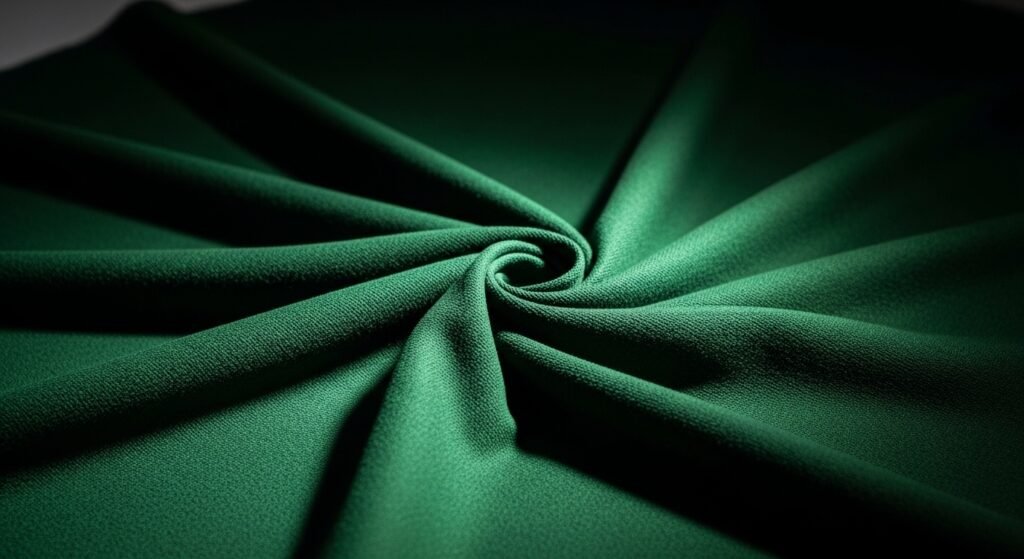
Hunter Green Color Meaning, Uses, and Design Inspiration
Hunter green color represents sophistication, stability, and a strong connection to nature. This in-depth guide explores its history, psychological impact, and practical use in fashion, interior design, branding, and digital media. Learn how hunter green enhances mood, builds trust, and creates elegant, balanced palettes across creative and professional fields.
In practical terms, hunter green color is not only visually appealing but also psychologically impactful. Studies indicate that darker greens, including hunter green, can promote concentration and reduce stress, which is why it is frequently used in workspaces and learning environments. The color also carries cultural associations: it reflects wealth, prestige, and environmental awareness in various contexts. Key aspects of using it effectively include:
-
Understanding complementary and contrasting palettes for maximum visual harmony
-
Considering cultural and psychological connotations in target audiences
-
Utilizing different textures and materials to enhance its depth
-
Applying it across digital and physical media for cohesive branding
It combines aesthetic appeal with functional versatility, offering designers and individuals a tool to create spaces, products, and experiences that feel both grounded and elevated.
The Origins and History of Hunter Green
It traces its origins to the hunting traditions of 19th-century England, where forest green attire became standard for hunters navigating dense woodlands. The deep hue was chosen for its ability to blend with natural surroundings, providing camouflage while maintaining elegance. Over time, hunter green color transcended its utilitarian beginnings and entered fashion, upholstery, and decorative arts. Its association with sophistication and nature helped cement its reputation as a color of choice for formal clothing, leather goods, and interior accents.
In modern history, hunter green color has retained its symbolic ties to stability and refinement. It appears in uniforms, ceremonial garments, and high-end products, often representing reliability and understated wealth. Designers leverage this historical context to evoke nostalgia, trust, or eco-conscious messaging. The transition from purely functional to aesthetic use illustrates how colors evolve in meaning, with hunter green demonstrating longevity and adaptability. Its enduring appeal lies in its ability to straddle tradition and contemporary design seamlessly.
Symbolism and Psychological Impact
The psychological impact of hunter green color is profound, offering a sense of security, balance, and renewal. Dark greens are often associated with wealth, ambition, and stability, while simultaneously evoking the tranquility of natural environments. Hunter green color communicates trustworthiness and endurance, making it a favored choice in corporate branding, educational spaces, and professional attire. The color encourages focus and calm reflection, which explains its frequent use in office settings, libraries, and learning tools.
Symbolically, hunter green color connects deeply with themes of growth and resilience. In visual storytelling and interior design, it conveys a grounded, earthy presence, offering reassurance to observers. Marketers and designers use the color strategically to create an aura of sophistication without being ostentatious. In real-world applications, hunter green color balances other palette choices, providing depth, contrast, and emotional resonance. Its symbolic versatility allows for both functional and decorative applications in multiple contexts.
Hunter Green in Fashion and Apparel
In fashion, hunter green color is celebrated for its versatility and timelessness. It pairs well with neutral tones such as beige, gray, black, and white, and it complements metallic accents in gold, bronze, and silver. Seasonal wardrobes often incorporate hunter green in outerwear, sweaters, and accessories to convey elegance and maturity. Its deep tone works well in formal wear, including blazers, dresses, and suits, providing an alternative to traditional black or navy while retaining sophistication.
The practical appeal of hunter green color in fashion extends to its flattering qualities. It complements various skin tones and hair colors, making it a universally appealing choice. Textured fabrics like velvet, corduroy, and wool accentuate its depth, creating luxurious tactile experiences. Designers use hunter green color to evoke understated confidence, whether in everyday wear or high-fashion collections. The shade also signals environmental awareness when used in sustainable clothing lines, linking aesthetic choice with conscious messaging.
Interior Design and Home Décor Applications
It has become a staple in interior design for creating cozy, sophisticated, and nature-inspired spaces. It works effectively as a wall color, accent shade, or furniture finish, balancing both light and dark elements in a room. When paired with warm neutrals, hunter green color produces inviting atmospheres, while combinations with gold or brass accents elevate luxury. Its depth allows designers to manipulate mood, making spaces feel intimate yet expansive.
Practical applications include using hunter green color in living rooms, kitchens, and home offices. Upholstery, curtains, and cabinetry leverage the color’s richness to anchor rooms visually. Accessories like throw pillows, rugs, and lamps in hunter green color provide focal points without overwhelming a space. Beyond aesthetics, the hue promotes calmness, focus, and a connection to nature, enhancing well-being in home environments.
Hunter Green in Graphic and Digital Design
In digital and graphic design, hunter green color conveys professionalism, stability, and reliability. Its deep tone provides excellent contrast against lighter shades, making it effective for branding, UI elements, and infographics. Designers employ hunter green color for logos, website backgrounds, and marketing materials to communicate trustworthiness and sophistication. When combined with neutral palettes or complementary colors, it creates visually compelling compositions that resonate with viewers.
Digital applications require careful consideration of accessibility, including contrast ratios and legibility. It performs well across screens when paired with light text or highlighted with complementary accents. The color’s psychological associations also strengthen brand messaging, reinforcing credibility, environmental consciousness, or luxury positioning. Its versatility in digital media mirrors its effectiveness in traditional design contexts.
Complementary and Contrasting Palettes
It pairs exceptionally well with complementary tones, enhancing visual harmony in both fashion and design. Neutrals like cream, taupe, and gray soften its intensity, while metallic accents in gold, copper, or brass add sophistication. Contrasting colors like burnt orange, rust, and deep red create visual energy and highlight key elements. In digital design, subtle gradients and overlays with hunter green color can add depth without overwhelming the composition.
Effective palette integration considers lighting, material texture, and context. In fashion, layering hunter green color with muted shades produces versatile outfits. In interiors, pairing with lighter wall tones balances darker furniture pieces. Strategic application ensures that hunter green color enhances rather than dominates, providing depth and continuity across multiple design dimensions.
Seasonal Variations and Contextual Use
It adapts across seasonal contexts, influencing perception and application. During fall and winter, it enhances warmth and richness, often paired with browns, oranges, and golds. In spring and summer, it can evoke lush greenery when combined with lighter greens, whites, or floral accents. Designers adjust saturation and material to align with seasonal mood, ensuring the color remains relevant year-round.
In real-world use, hunter green color in seasonal campaigns or collections communicates intentionality and thoughtfulness. Outdoor furniture, seasonal apparel, and event décor all leverage the color’s adaptability. Understanding contextual variation maximizes aesthetic impact, maintaining visual coherence across changing environmental and cultural expectations.
Material and Texture Considerations
Material selection amplifies the perception of hunter green color. Textures like velvet, silk, or wool enhance its richness and tactile appeal, while matte finishes soften its intensity. Smooth surfaces reflect light differently, altering perception and mood. Designers leverage these subtleties to create dynamic, multi-dimensional experiences.
Applications in textiles, upholstery, and packaging rely on material choice to reinforce color messaging. For example, it on a leather sofa conveys durability and luxury, whereas on cotton garments, it suggests comfort and approachability. Understanding texture interactions ensures that hunter green color fulfills both functional and aesthetic objectives.
Cultural Associations and Global Perspectives
It holds varying symbolic significance across cultures. In Western contexts, it is linked to wealth, prestige, and nature, while in other regions, it may connote growth, fertility, or environmental consciousness. Recognizing cultural nuance is critical for international branding, fashion, or design projects.
Effective global use involves balancing universal perception with local interpretation. Hunter green color’s versatility allows for adaptation across marketing campaigns, product lines, and visual storytelling. Awareness of cultural impact strengthens audience connection and ensures appropriate visual messaging.
Hunter Green in Branding and Marketing
Brands leverage hunter green color to communicate stability, quality, and environmental responsibility. Its association with nature, reliability, and sophistication makes it ideal for luxury goods, eco-friendly products, and corporate identity. Strategic use in logos, packaging, and advertisements reinforces trust and positions products effectively in competitive markets.
Marketing campaigns incorporating hunter green color often evoke calmness and exclusivity. Visual consistency across digital and physical media ensures brand recognition and message alignment. Real-world impact demonstrates that deep, sophisticated tones like hunter green color enhance perceived value and reinforce brand narrative.
Pairing Hunter Green With Metallics
Combining hunter green color with metallic accents like gold, copper, or bronze creates elegance and visual interest. This pairing elevates design sophistication, making it ideal for interiors, jewelry, and premium packaging. Metallic highlights draw attention to focal points while harmonizing with the deep, grounding quality of hunter green color.
Practical application involves subtle use: accent pieces, edging, or hardware often suffice to amplify impact. Overuse may overwhelm the visual field, so balance is essential. Designers exploit these combinations for luxury perception, ceremonial décor, and high-end fashion contexts.
Hunter Green in Art and Illustration
Artists use hunter green color to establish mood, depth, and realism. Its richness allows for layering, shading, and shadowing in paintings and digital artwork. Representations of forests, landscapes, and natural scenes often incorporate hunter green color for authenticity and depth.
Beyond realism, hunter green color communicates symbolic weight. Artists evoke stability, growth, or mystery depending on surrounding hues and composition. Its versatility makes it valuable across artistic genres, from classical works to modern digital illustrations, demonstrating enduring creative appeal.
Environmental and Sustainable Design
It symbolizes eco-consciousness and sustainability. Designers frequently employ it in projects emphasizing environmental stewardship, from product design to architecture. Its association with nature encourages positive perception of green initiatives, conservation efforts, and sustainable practices.
Real-world applications include packaging, building materials, and public spaces. It communicates alignment with environmental responsibility without sacrificing aesthetic sophistication. It remains an effective tool for visually reinforcing sustainable messaging in various industries.
Future Trends and Modern Adaptation
It continues to evolve, appearing in contemporary interiors, fashion, and digital interfaces. Its modern applications involve muted palettes, minimalist design, and integration with smart technologies. Designers adapt the color to suit evolving tastes, ensuring relevance in a rapidly changing aesthetic landscape.
In practical terms, future adaptation involves flexibility and digital readiness. Hunter green color supports responsive designs, adaptive materials, and interactive media while retaining its classic appeal. Its combination of timelessness and adaptability ensures that the color remains impactful in both traditional and modern contexts.