
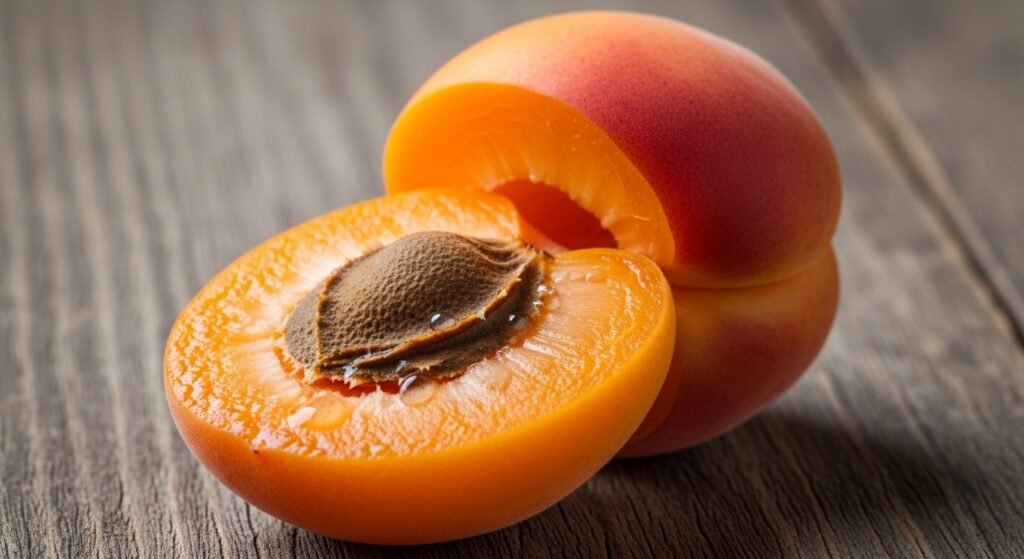
Apricot Color Meaning, Shades, and Modern Design Inspiration
Apricot color is a delightful blend of warmth and softness that instantly uplifts any space. Evoking the essence of sun-kissed fruit, this hue brings to mind lazy summer days and cozy evenings. Whether you’re designing a room or curating an outfit, apricot offers endless potential for creativity and expression.
Imagine walking into a room infused with the gentle glow of apricot – it’s inviting yet sophisticated, playful yet calming. This versatile shade can be used in various ways, enhancing everything from modern interiors to whimsical décor themes. In this article, we’ll explore the different shades of apricot, its rich symbolism, and how you can incorporate this charming color into your designs effortlessly. Get ready to dive deep into all things apricot!
Understanding Apricot Color: Variations and Symbolism
Apricot color is a delightful blend of orange and peach, evoking warmth and joy. Its soft hue can vary significantly, creating distinct feelings and aesthetics in different contexts. Light apricot brings to mind brightness and freshness, perfect for spaces that need uplifting energy.
Mellow apricot offers a more subdued tone, ideal for creating cozy atmospheres. This variation radiates calmness while still maintaining the inviting essence typical of the apricot palette. The gentle transition between these shades makes them versatile for both modern designs and traditional settings.
Color variations extend beyond just light or mellow tones; they encompass deeper hues as well. Each shade can convey unique emotions ranging from playful to sophisticated. Color harmonies derived from apricot often combine it with pastels or earthy tones for balanced compositions.
Custom palettes featuring apricot often include complementary colors like teal or gray, enhancing its appeal further. Such combinations spark creativity in interior design as well as fashion choices, showcasing apricot’s adaptability across various styles.
Light Apricot
Light apricot is a soft, delicate hue that evokes feelings of warmth and serenity. This shade leans more towards pastel tones, making it an ideal choice for creating calm spaces. Its gentle presence can brighten up interiors without overwhelming the senses.
Often associated with springtime blooms, light apricot infuses rooms with a subtle freshness. It pairs beautifully with white or cream to create airy atmospheres perfect for bedrooms or nurseries. The versatility of this color allows it to blend seamlessly in various design styles.
In fashion, light apricot makes an appearance in seasonal collections, adding softness and femininity to outfits. When used as an accent color in accessories like scarves or handbags, it brings a touch of playfulness.
This shade also holds its place in nature; think about sunrises that cast soft hues across the sky. Light apricot captures that fleeting beauty and embodies optimism while inviting tranquility into any space.
You Might Also Like: Color Palette
Mellow Apricot Color
Mellow apricot is a delightful shade that captures the essence of warmth and comfort. This soft, muted hue brings to mind lazy afternoons spent sipping tea in a sunlit garden. Its gentle tone evokes feelings of relaxation and tranquility, making it a favorite choice for cozy spaces.
This shade pairs beautifully with earthy tones like terracotta and olive green. When combined with deeper colors, mellow apricot can create stunning contrasts that add depth to any design scheme. It’s perfect for accent walls or decorative elements that need a subtle touch.
In fashion, mellow apricot is often used in spring collections as it embodies the essence of renewal. Designers love its versatility; it works well across various styles from bohemian to modern minimalism.
For those looking to infuse their life with positivity, this color serves as an uplifting backdrop. Whether in home decor or personal style choices, mellow apricot radiates charm wherever it’s applied.
Color Variations
Apricot color comes in a delightful array of variations, each bringing its own charm. You can find shades that lean more towards orange or pink, creating distinct looks and feelings. These subtleties can evoke different emotions and vibes depending on the context.
For instance, a deep apricot might infuse warmth into your space while maintaining sophistication. In contrast, a pastel version may feel light and breezy, perfect for spring designs or soft accents. This versatility makes it suitable for various settings from modern to rustic.
When selecting an apricot shade for design projects, consider the ambiance you wish to create. A vibrant hue could energize an area, while softer tones might promote relaxation. The choice ultimately depends on personal style and purpose.
Exploring these variations allows designers and homeowners alike to play with aesthetics creatively. By understanding how different shades interact with light and other colors, one can curate unique palettes that stand out beautifully.
Color Harmonies
Apricot color creates a warm and inviting atmosphere, making it an excellent choice for harmonious design. When paired with complementary colors like teal or turquoise, apricot exudes vibrancy while maintaining balance. This combination can evoke feelings of freshness and tranquility.
Analogous colors—such as peach and soft coral—enhance the subtlety of apricot, creating a soothing palette that works beautifully in both interiors and fashion. These shades blend seamlessly, allowing for smooth transitions without overwhelming the senses.
For a modern twist, consider integrating deeper hues like navy or charcoal gray alongside apricot. The contrast adds sophistication while retaining the playful essence of this delightful color. It’s perfect for those who seek to make bold statements without sacrificing warmth.
Utilizing different textures also enhances color harmony. Matte finishes against glossy surfaces can create depth within your space, further emphasizing the unique qualities of apricot in your designs.
Custom Palettes
Creating custom palettes with apricot color opens a world of possibilities. This versatile hue pairs beautifully with various shades, allowing for unique combinations that suit any design aesthetic. The warm undertones of apricot bring a sense of coziness and lightness, making it an excellent choice for both modern and traditional spaces.
When designing your palette, consider incorporating complementary colors like teal or muted greens. These contrasts can enhance the warmth of apricot while adding depth to your designs. Alternatively, pairing apricot with soft pastels creates a serene atmosphere perfect for nurseries or relaxation areas.
Experimenting with different textures alongside your chosen hues can elevate the overall look. Consider mixing matte finishes with glossy elements to add visual interest and dimension to your palette.
Utilizing varying shades within the apricot spectrum also allows you to establish mood transitions throughout a space while maintaining coherence in design.
Color Simulations
Color simulations play a crucial role in understanding how apricot color interacts with other hues. By using digital tools, designers can visualize the warm and inviting nature of apricot across various contexts. This allows for a better grasp of its versatility when paired with different shades.
When simulating colors, it’s important to consider lighting conditions. The same shade of apricot can appear dramatically different under natural light versus artificial sources. This variability helps highlight why proper simulations are essential in design projects.
Different software programs offer diverse ways to explore apricot’s range. From muted tones to vibrant pops, the possibilities are endless. Designers often rely on these simulations during brainstorming sessions or client presentations.
Effective color simulations help bridge the gap between imagination and reality. They pave the way for creative solutions that embrace the warmth and charm inherent in this delightful hue.
Design Inspiration with Apricot Color
Apricot color has a unique charm that can breathe life into any space. Its warm, inviting hue evokes feelings of comfort and tranquility. Designers often incorporate apricot in various elements, from wall paint to decor accents. This color creates a soft backdrop for vibrant furnishings.
In modern interiors, apricot pairs beautifully with neutral tones like beige or cream. It also shines alongside complementary shades such as teal and navy blue. These combinations enhance the overall aesthetic while maintaining an airy feel.
For those looking to add apricot touches without overwhelming their space, consider using it in textiles or decorative pieces. Throw pillows, rugs, or curtains in this shade can transform a room instantly.
Outdoor spaces benefit greatly from apricot too; think about adding planters or outdoor furniture in this delightful hue for summer gatherings. The warmth of apricot naturally draws people together, making it perfect for social settings.
What Does Apricot Color Symbolize?
Apricot color embodies warmth and softness. It’s often associated with feelings of comfort and nurturing, reminiscent of a sun-drenched afternoon. This gentle hue invites tranquility into spaces, making it ideal for creating restful environments.
Symbolically, apricot is linked to joy and optimism. Its cheerful nature can lift spirits and foster a sense of community among those who experience it. The color encourages open communication, making conversations feel lighter and more encouraging.
In many cultures, apricot signifies abundance and fertility as well. This connection to growth reflects the natural world’s cycles, reminding us that new beginnings are always possible.
Additionally, the sweetness of the fruit itself amplifies its symbolism relating to love and affection. Apricot suggests warmth in relationships—whether romantic or platonic—and evokes memories tied to home-cooked meals shared with loved ones.
You Might Also Like: Color code
History of Apricot Color
The history of the apricot color is as rich and vibrant as its fruit. Originating from the ancient civilizations of Armenia, this warm hue has been admired for centuries. The name “apricot” itself traces back to Latin, where it was called “praecoquum,” meaning “early ripening.”
Throughout time, cultures have embraced apricot not just for its taste but also for its aesthetic appeal. It gained prominence during the Renaissance when artists used the soft shade to depict warmth and intimacy in their works. This association with comfort made apricot a favored choice among decorators.
In Asia, specifically in China, apricots symbolized fertility and prosperity. They were often used in traditional ceremonies to bring good fortune. As trade routes expanded, so did the appreciation for this charming color across Europe and beyond.
Today, apricot continues to inspire designers and homeowners alike. Its historical significance adds depth to contemporary decor choices while maintaining a timeless allure.
Color Combinations with Apricot Color
Apricot color pairs beautifully with various shades, creating harmonious palettes that elevate any design. For a fresh and lively look, combine apricot with mint green or teal. This combination evokes a sense of calmness while maintaining vibrance.
For a more earthy vibe, consider mixing apricot with soft browns or warm taupes. These tones ground the brightness of apricot and add depth to your space. You can also incorporate deeper hues like navy blue or charcoal gray for a striking contrast that allows the warmth of apricot to shine even brighter.
Additionally, apricot works wonderfully with pastel colors, such as pale pinks and lilacs. This combination is perfect for creating an inviting atmosphere in bedrooms or nurseries.
Whether you’re looking to create warmth in your living room or softness in your bedroom, exploring different color combinations will help highlight the versatility of this radiant hue. Embrace the charm and character that apricot brings when thoughtfully paired within your designs.